ISCSI Target Role - Windows Server - SAN
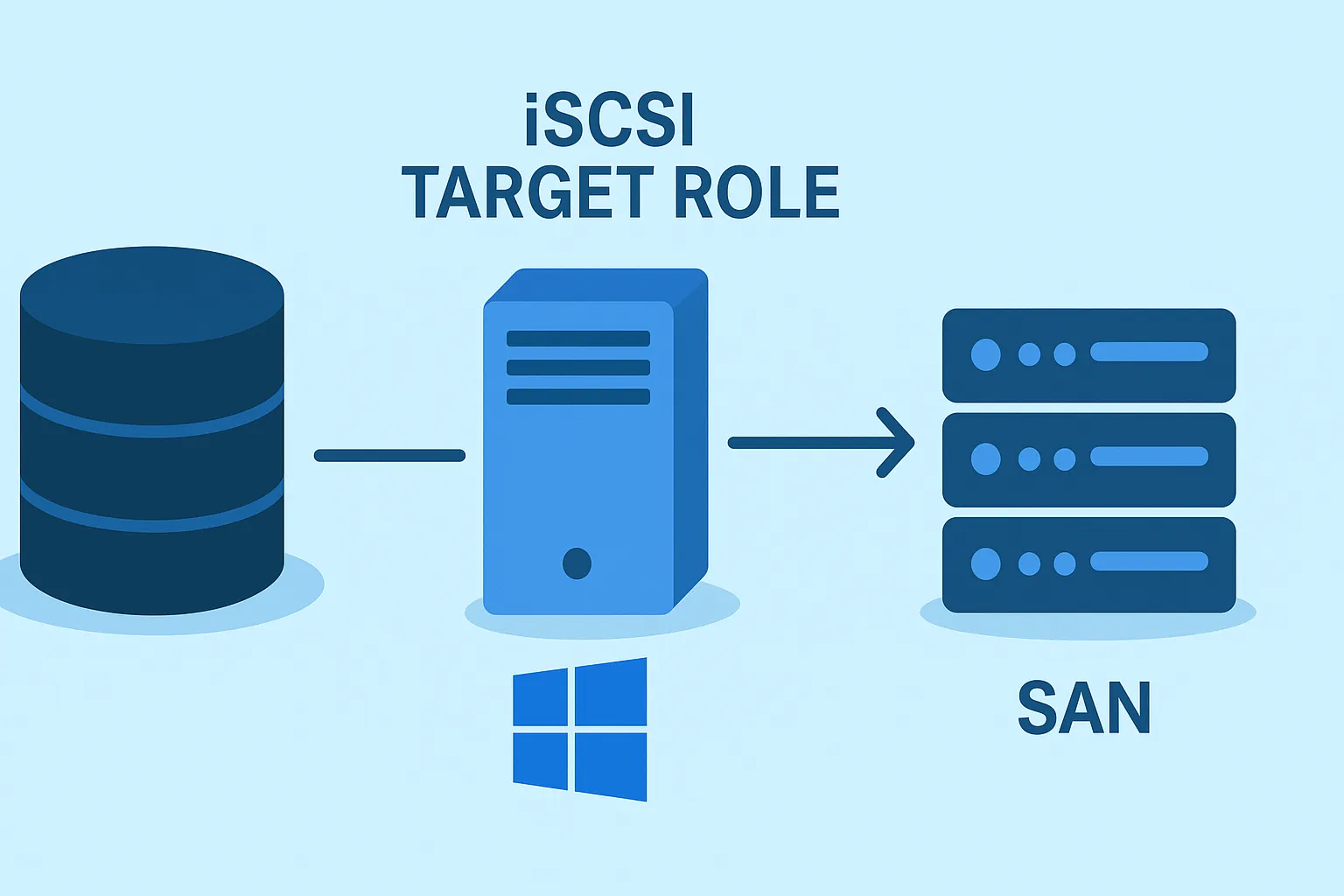
The iSCSI target role makes it possible to transform a server into a SAN (bay of disks / storage) by creating virtual disks (vhdx) and by presenting them to other server …
The iSCSI target role makes it possible to transform a server into a SAN (bay of disks / storage) by creating virtual disks (vhdx) and by presenting them to other server …
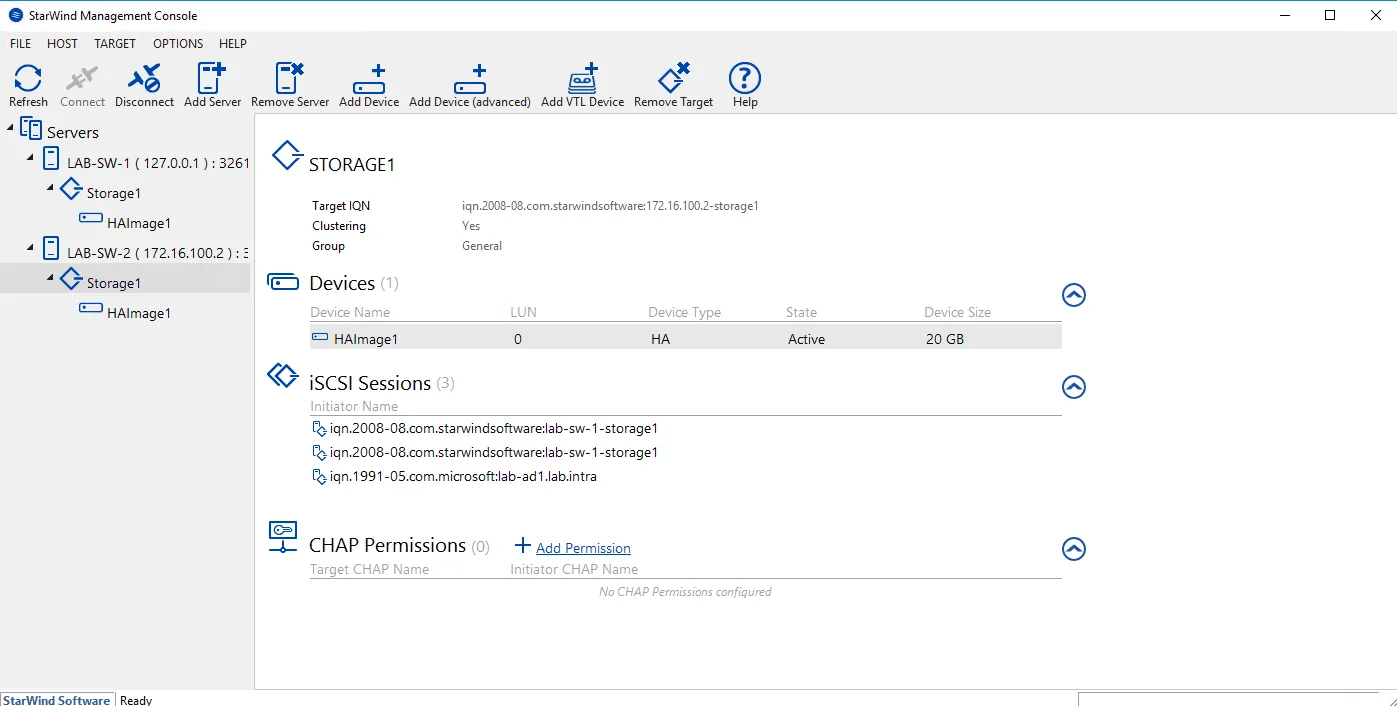
StarWind Virtual SAN is software that turns Windows into an iSCSI target server. The advantage of StarWind is that it can be used to put the storage in high availability …
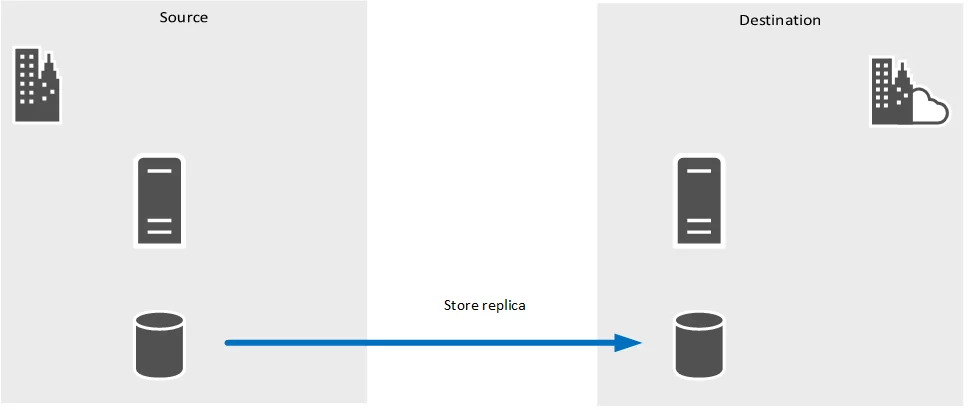
Storage replication (storage replica) is a feature that comes with Windows Server 2016 that lets you replicate a volume to another server. To work the feature requires …
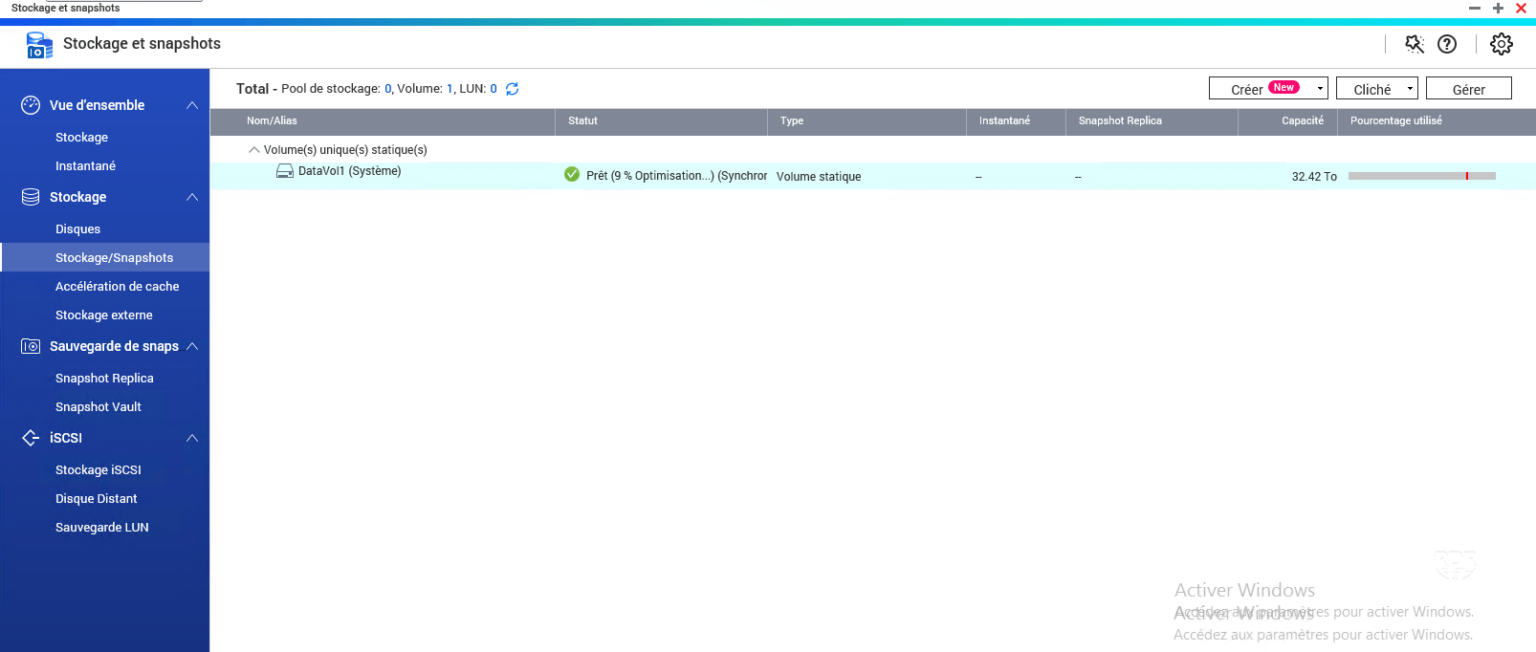
When provisioning a NAS, the first step is to create one or more volumes with the disks installed in it. NAS QNAP offers two types of volumes: Volume based on a pool of …
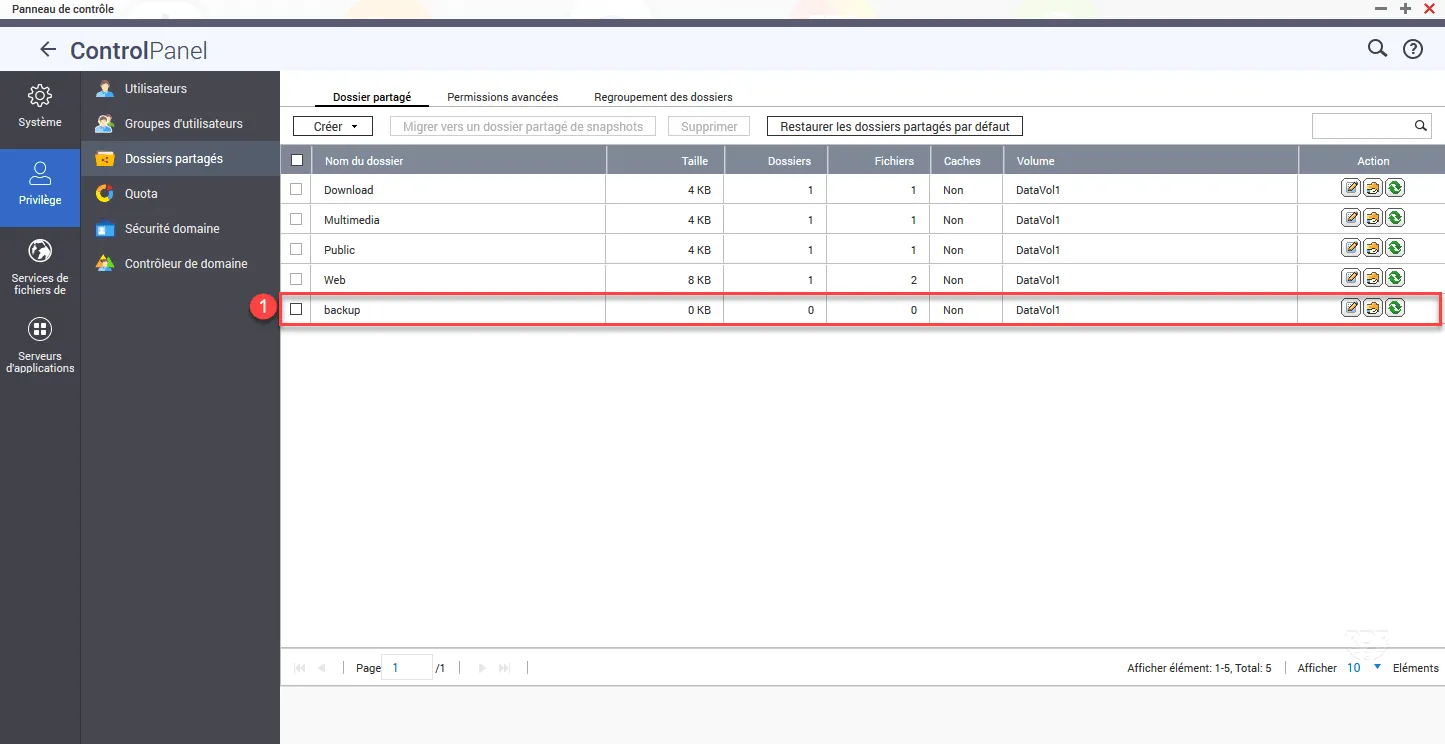
In this tutorial, we will see how to create a shared folder with a QNAP NAS and access it from Windows. Creating the shared folder 1. Go to the administration interface …
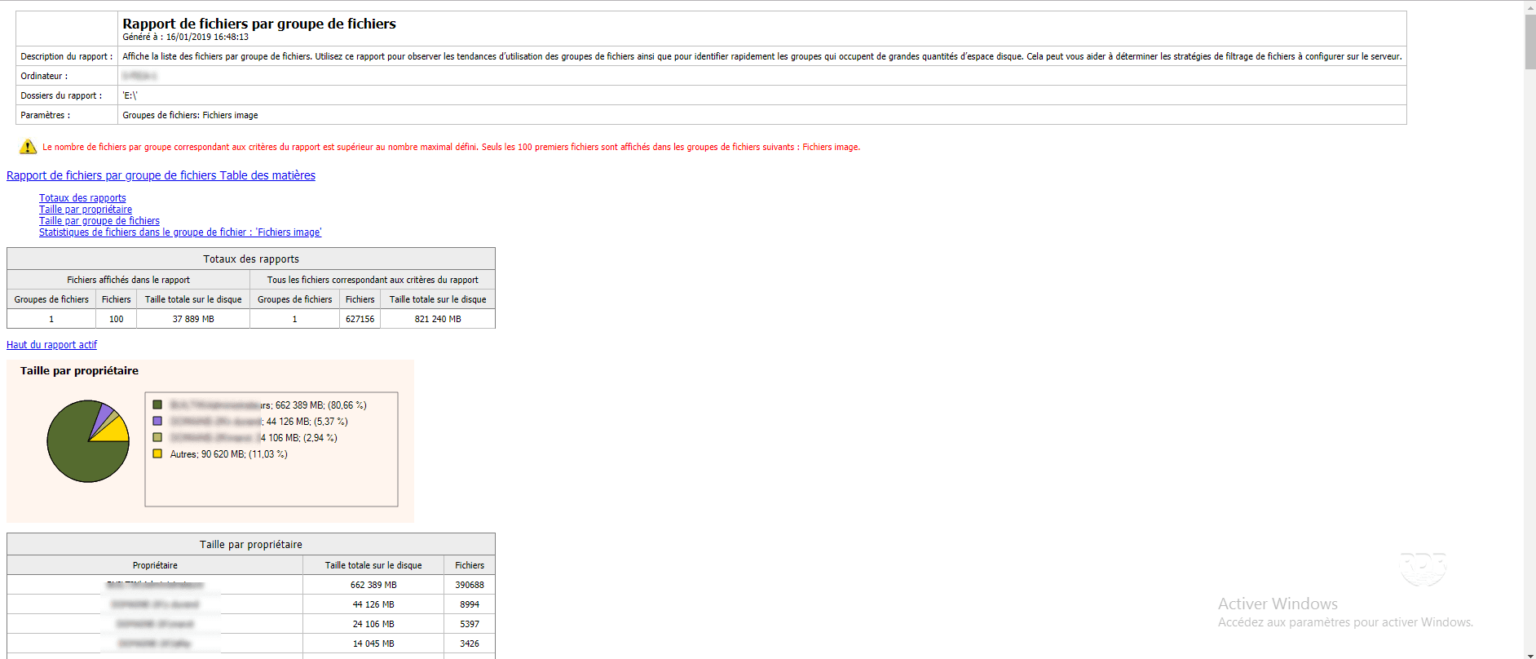
Introduction The file server resource manager on Windows can generate reports on storage usage: Duplicate files Files by group (images / music / office …) Modification …
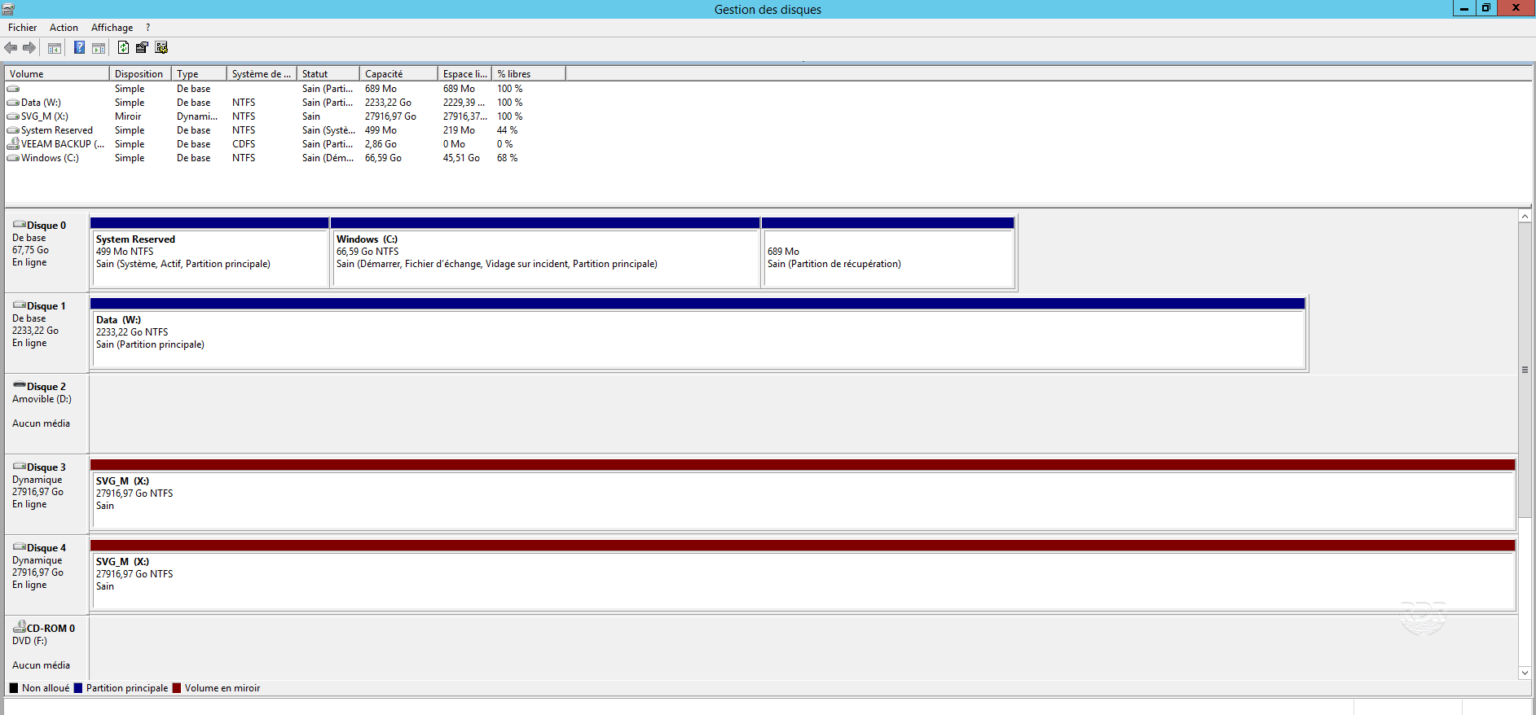
In this tutorial, I will explain how to create a RAID 1 on Windows with Disk Manager. I have personally used this technique on several occasions both on my personal …
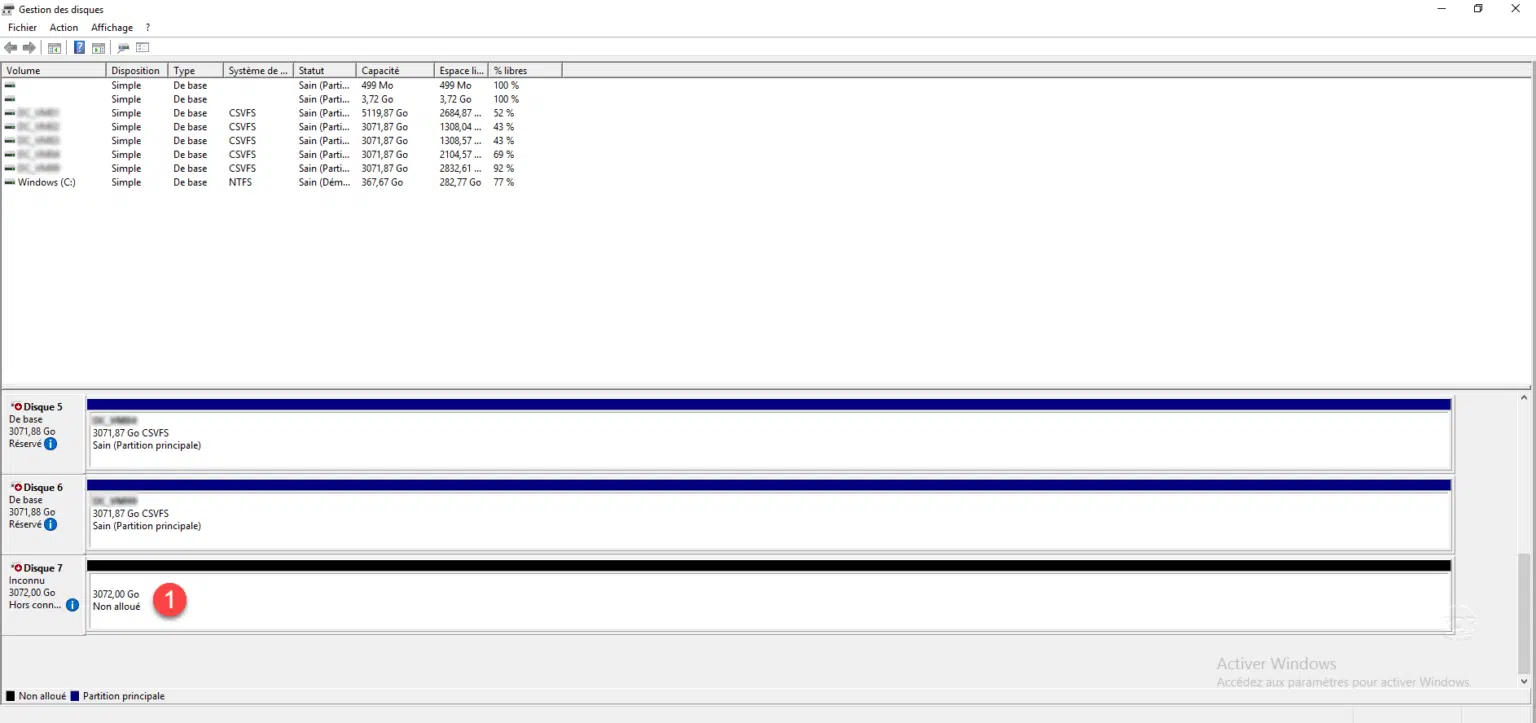
In this tutorial, we will see how to configure a SAN-type disk to present to a Windows server. SAN type disks are LUNs / Volume that are presented in FC / iSCSI / SAS. …
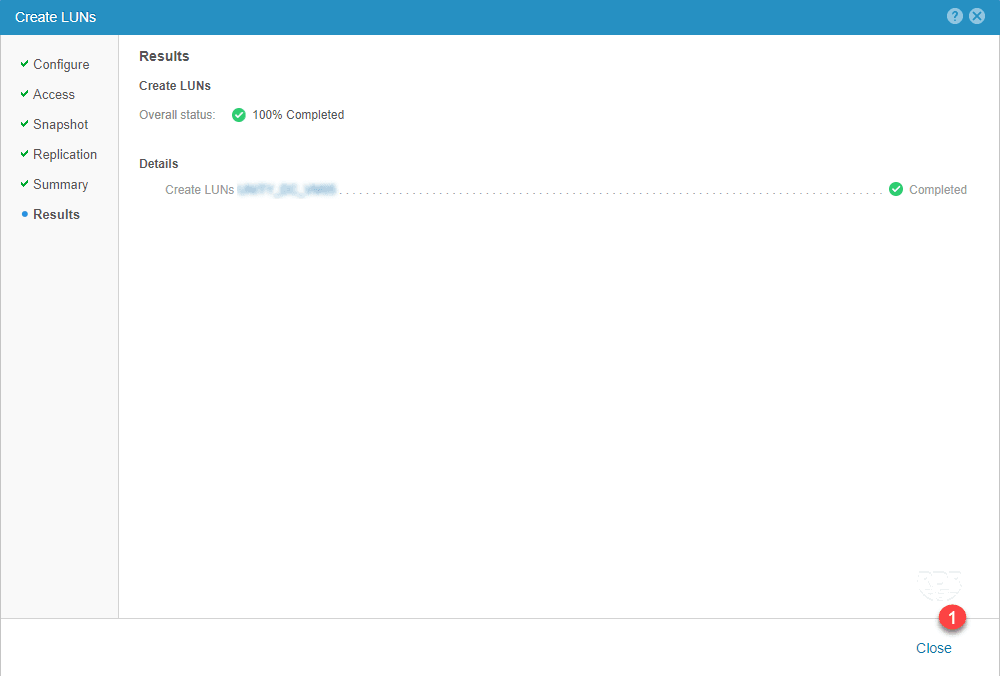
In this tutorial, we’ll see how to add a LUN to a UNITY 300 storage array using the Unisphere Web interface. Before adding a LUN, hosts must be configured on the array.
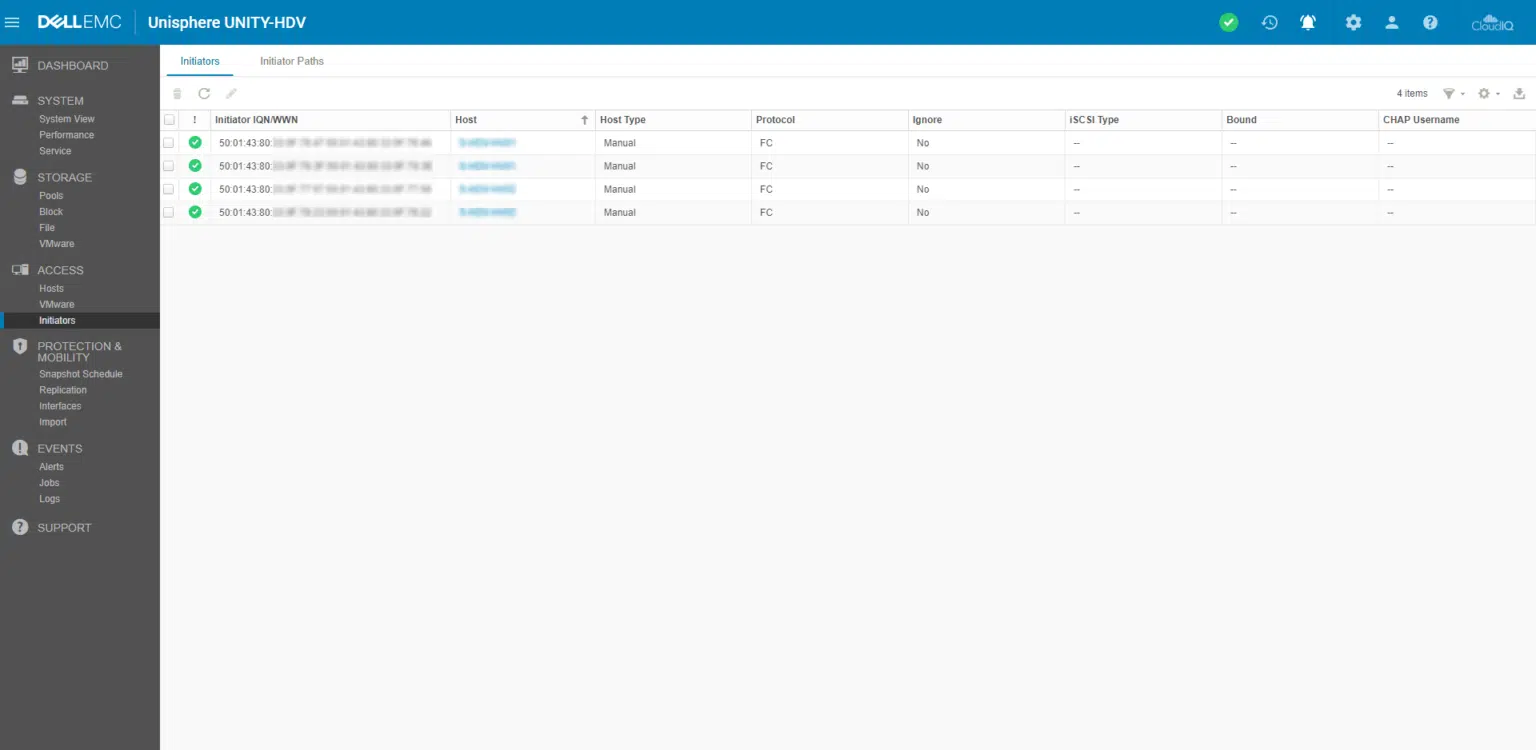
In this tutorial, we will see how to configure a host on an EMC Unity 300 array. Before you begin, the server must be plugged into the array either directly attached or …